Major Engine Repair
Timing chains, tensioners, phasers, water pumps — the internal work most shops send out.
Most repair shops can handle the basics: oil changes, filters, belts, brakes. Fewer shops can actually open up an engine, diagnose what's happening inside, and put it back together correctly. Internal engine work is a different level of skill, and it's often where decades of hands-on experience really shows. Here's a simple, non-technical look at some of the most common internal engine problems that show up as vehicles rack up higher mileage, and what actually goes into fixing each one.
What Actually Happens During an Engine Teardown
The phrase "opening up the engine" gets used a lot, but it's worth explaining what that actually means, since it's very different from a typical repair.
A full teardown starts with removing the engine from the vehicle in most cases, then taking it apart piece by piece in a specific order. Every internal part gets inspected individually, things like bearings, piston rings, cylinder walls, and the valve train, to see exactly what's worn, what's damaged, and what's still in good condition.
This is where real experience matters most. Two engines that sound similar from the outside, both making a knocking noise, for example, can have completely different problems once they're actually opened up. Knowing what to look for, and knowing which worn parts are safe to reuse versus which ones need replacing, comes from having done this hundreds of times, not from a manual.
Once everything is inspected, worn parts are replaced, surfaces are cleaned or machined back to spec if needed, and the engine is reassembled in careful order, often with new gaskets and seals throughout. It's then reinstalled and tested before the car goes back to the owner.
This entire process is a completely different skill set than replacing a belt or changing oil. It's closer to precision rebuilding than routine maintenance, and it's the kind of work that takes years to get genuinely good at.
Timing Chain Wear and Rattling
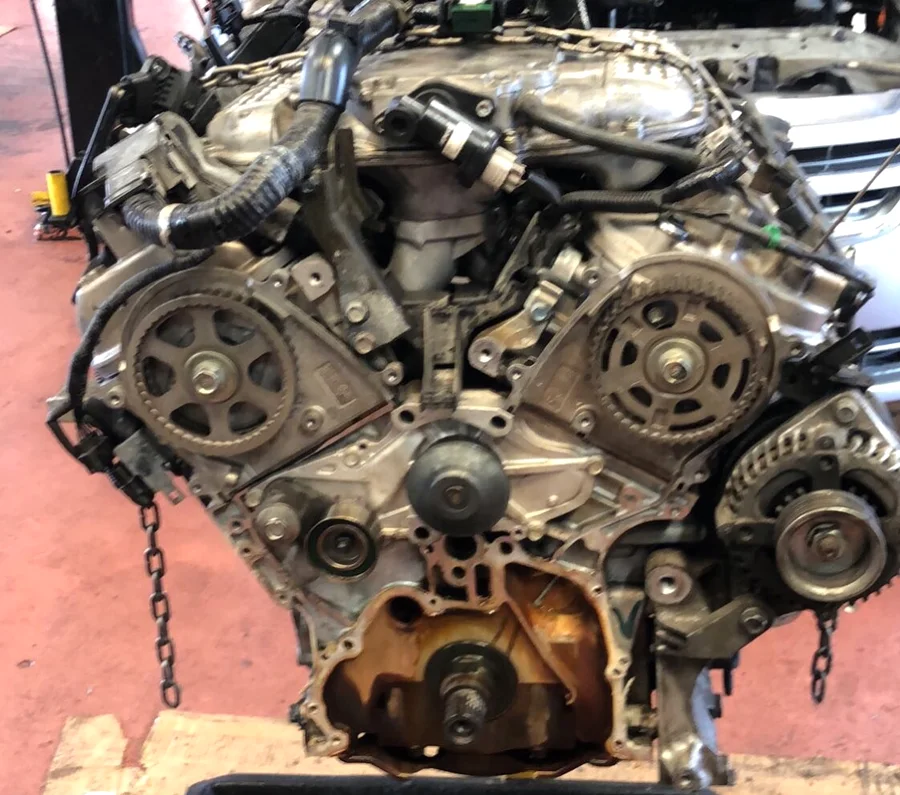
Inside the engine, a chain keeps everything timed correctly, making sure certain internal parts move in sync with each other. Over many years and miles, this chain can stretch slightly, which throws that timing off by just a little.
The most common sign is a rattling noise, usually right when the car is first started, that goes away once the engine warms up. It sounds minor, but if ignored long enough, a stretched timing chain can cause bigger, more expensive damage down the road.
Fixing this usually means replacing the chain and the related components that guide it. Catching it early, when it's just a noise, is far cheaper than waiting until it causes further damage inside the engine.
Head Gasket Failure
The head gasket is a seal between two major engine parts, and its job is to keep oil, coolant, and combustion completely separate from each other. When it fails, those things can start mixing, which is a serious problem.
Signs include the engine overheating, white smoke from the exhaust, or a milky appearance in the oil. This is not something to keep driving on, since continuing to drive can cause much more expensive damage very quickly.
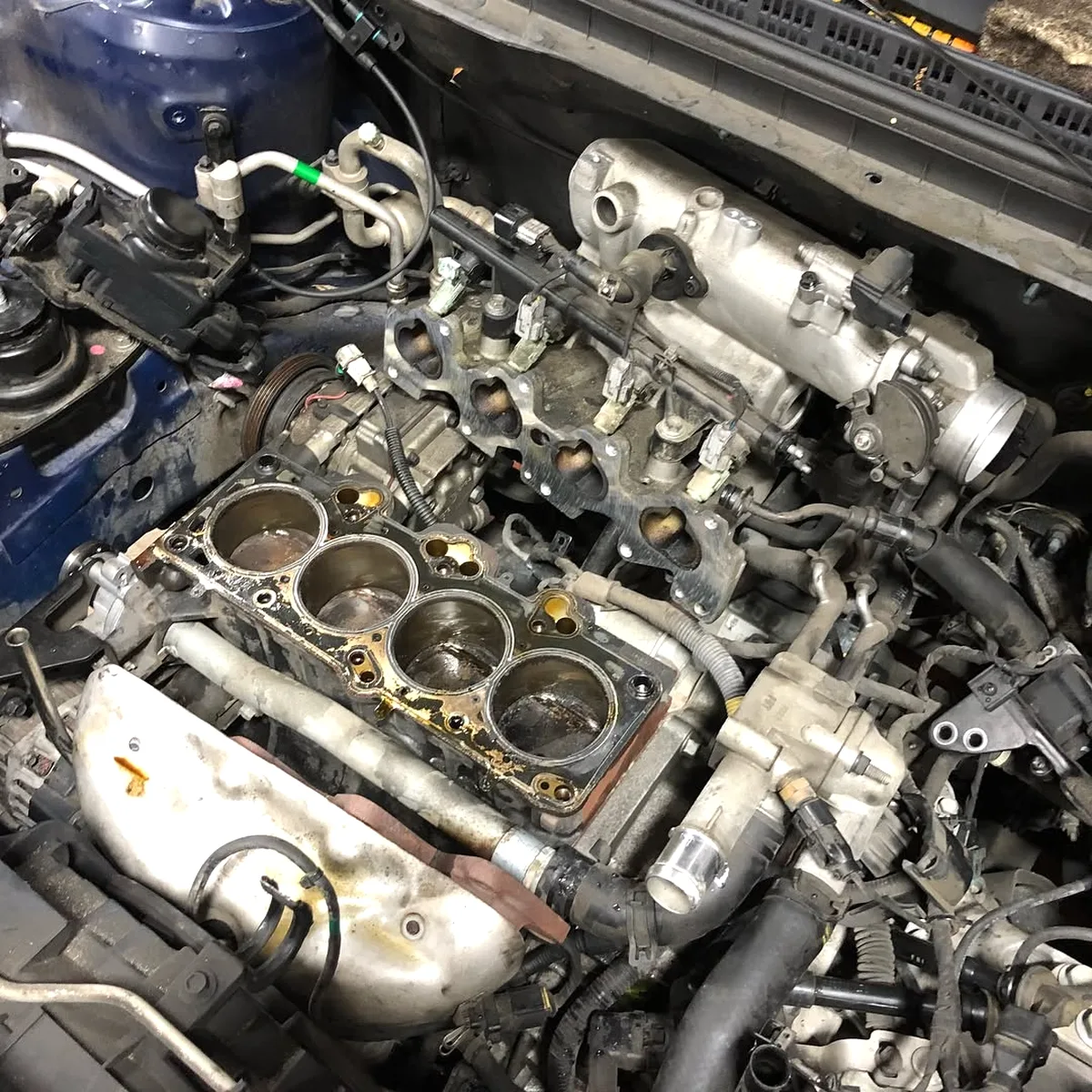
Fixing a head gasket means removing the top portion of the engine, replacing the gasket, and carefully checking the surrounding parts for warping or damage before putting everything back together. It's a labor-intensive repair, which is why it's often priced accordingly.
Worn Piston Rings and Oil Consumption
Piston rings help seal the internal combustion chamber and keep oil where it belongs. As they wear down over very high mileage, small amounts of oil can start leaking into areas it shouldn't be.
The main sign is an engine that gradually starts using more oil between changes, sometimes with a light blue tint to the exhaust smoke. It's a gradual problem, not a sudden one, which is why many people don't notice until it's fairly advanced.
Fixing worn rings typically requires opening the engine up and replacing them, which is real internal work, not a quick fix. It's often addressed as part of a larger rebuild rather than on its own.
Valve Train Noise (Lifters and Related Parts)
The valve train is a set of internal parts that control the timing of air and fuel moving in and out of the engine. Certain components in this system, sometimes called lifters, can wear down over time.
This usually shows up as a steady ticking noise from the engine, especially noticeable at idle. It's often mistaken for something minor, but a consistent ticking is worth having checked, since it points to actual wear happening inside.
Repairing this involves replacing the worn components, which requires knowing exactly where to look and how the system fits together, since these parts are buried inside the engine, not sitting on top where they're easy to access.
Carbon Buildup on Intake Valves
Over time, certain engine designs are prone to a buildup of carbon deposits on the intake valves, the parts that let air into the engine. This is more of a gradual buildup issue than a sudden failure.
Signs include a rough idle, hesitation when accelerating, or a noticeable loss of power that develops slowly over time rather than all at once.
Fixing this usually involves a specialized cleaning process to remove the buildup directly from the valves. Left untreated for long enough, heavy buildup can affect performance significantly, though it's usually caught before it becomes a major issue.
Not sure what you're seeing or hearing?
Call and describe what the car is doing — you'll talk to someone who works on cars, not a call center.
Turbocharger Wear
On vehicles equipped with a turbocharger, that component spins at extremely high speed to force more air into the engine for extra power. Because of how hard it works, it can wear out faster than other engine parts, especially at high mileage.
Warning signs include a whining or whistling noise, a noticeable loss of power, or the engine burning oil faster than expected.
Repairing or replacing a turbocharger requires careful work, since it's connected to both the engine's air intake and its oiling system. Getting it right means the replacement part is properly lubricated and sealed before the car goes back on the road.
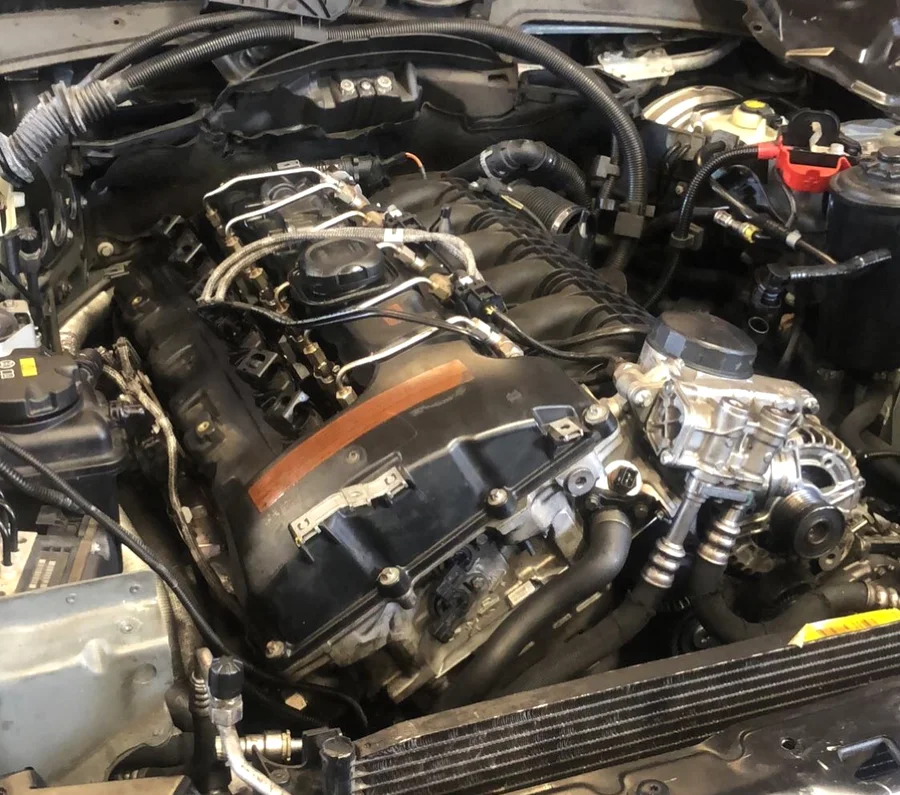
Oil Sludge Buildup
When oil changes are skipped or delayed for a long time, the oil itself can start to break down and thicken into a sludge-like substance inside the engine. This sludge can clog small internal passages that oil is supposed to flow through freely.
Signs include ticking or knocking noises, the oil warning light coming on, or the engine simply not running as smoothly as it should.
Fixing this depends on how severe it is. In lighter cases, a thorough internal cleaning can resolve it. In more advanced cases, the restricted oil flow may have already caused wear elsewhere in the engine, which turns a cleaning job into a bigger repair.
Cracked Engine Block or Warped Cylinder Head
This is one of the more serious problems an engine can have, and it's usually the result of a past overheating event rather than normal wear. When an engine gets too hot, the metal components can warp or even crack.
Signs include ongoing overheating that doesn't resolve with normal fixes, visible cracks, or coolant and oil mixing together.
Repairing this sometimes involves machining the affected surface back to flat, if the damage is minor enough. In more severe cases, the block or head has to be replaced entirely, which is a much larger job.
Worn Engine Bearings
Bearings are small internal components that allow moving engine parts to rotate smoothly against each other. Over time, especially with delayed oil changes, these can wear down.
The telltale sign is a deep knocking sound from the engine, often described as sounding like a spoon in a garbage disposal. This is a serious sign and shouldn't be ignored.
Fixing worn bearings requires opening the engine up completely to access and replace them, since they're located deep inside. This is almost always part of a larger internal repair or full rebuild, not a standalone quick fix.
Repair vs. Rebuild — and Why It Depends on What's Actually Wrong
Not every internal engine problem needs the same level of work. Sometimes a specific part has failed and can be replaced on its own. Other times, the damage is spread out enough that a full teardown and rebuild makes more sense. The honest answer is: it depends on what's actually wrong inside, and that's not something a customer can know without a proper diagnosis.
A repair is often enough when a single part has failed, like a head gasket or a specific worn component, and the rest of the internal engine, including bearings, pistons, and cylinder walls, is still in good shape. This costs less, takes less time, and gets the car back on the road faster.
A full rebuild makes more sense when the wear is widespread, like worn bearings combined with scored cylinder walls, or damage that's been building for a long time. In these cases, fixing just one part in isolation often means something else fails again soon after. A rebuild means fully tearing the engine down, inspecting every part, and replacing everything worn, not just the one thing that finally made noise. It costs more upfront but avoids paying for a repair now and a bigger failure again later.
This isn't really a decision a customer needs to make on their own. It's a "let the shop tell you" situation, not a "pick one" situation. The only way to know whether a problem is isolated or widespread is to actually open the engine up and look, which takes real teardown experience to assess correctly. This kind of judgment call comes from decades of doing full engine work, not from simply replacing parts based on a warning light or a code reader.
Why These Problems Cluster at Higher Mileage
Most of the issues covered above don't show up on a newer car, and there's a simple reason for that. Internal engine parts are built to handle an enormous number of moving cycles, but nothing lasts forever under that kind of constant motion and heat.
Somewhere in the range of 100,000 to 150,000 miles, depending on how a vehicle was driven and maintained, small amounts of wear that were once negligible start to add up. A timing chain that's stretched slightly, bearings that have thinned slightly, rings that have loosened slightly, none of these are a problem on their own, but combined, they start producing the kinds of noises and symptoms covered in this section.
Maintenance history plays a big role here too. A vehicle with consistent oil changes and general upkeep tends to hit these issues later, and often less severely, than one where maintenance was delayed or skipped. This is part of why two vehicles of the same age and mileage can be in very different internal condition.
None of this means every high-mileage vehicle is doomed to need major engine work. Many run well past 200,000 miles without serious internal problems. But it does mean that as mileage climbs, it becomes more important to pay attention to the warning signs covered here, rather than assuming a new noise or symptom will just go away on its own.
Quick Answers to Common Questions
What does a rattling noise on startup usually mean?
Often a stretched timing chain, especially if it fades after the engine warms up.
Is it normal for an engine to use a little oil over time?
A very small amount can be normal at high mileage, but a noticeable increase is worth having checked.
Can carbon buildup really affect how my car drives?
Yes, it can cause rough idling and reduced power, though it's a gradual issue rather than a sudden one.
How do I know if I need a repair or a full rebuild?
That depends entirely on what's actually found once the engine is inspected, which is why a proper diagnosis matters more than guessing.
Is a knocking sound always serious?
Deep knocking is one of the more serious sounds an engine can make and should be checked right away.
Ready when you are
Stop by, call, or start a repair request online — we'll take a look and tell you straight what it needs.